


Made in Germany · ISO 27001 · GDPR-compliant
Product Training in the Industrial Sector
Product Training – Verifiable, Efficient
For industrial companies, effective product training is more than just imparting product knowledge. When new product generations, technical changes, or new safety requirements are introduced, employees, service technicians, specialty retailers, and sales partners must be reliably up to date with the latest information.
An LMS, a digital learning platform, and an integrated course management system help companies plan, conduct, and document product training in a structured manner. This article explains how companies can organize their product training digitally, which processes can be mapped using an LMS, and what to look for when selecting a suitable solution.
Customer Training
for Sales, Production, and Service
Mandatory Training


The Importance of Product Training
What is product training, and why is it important?
Product training provides the knowledge and practical skills required for the sale, use, maintenance, or servicing of a product. In industry, such training may cover, for example, new machines, software solutions, systems, components, or technical processes.
Product training is not limited to a company’s own employees. Depending on the business model, it may also include external audiences:
✓
Service Technicians and Maintenance Technicians
✓
Sales and Field Service Representatives
✓
Specialty Retailers and Distributors
✓
Installation and Service Partners
✓
Customers and Users
✓
Production and Assembly Staff
✓
Executives and Product Managers
Product training becomes particularly challenging when products change regularly or when multiple variants and product lines are managed simultaneously. In such cases, simply providing training materials is no longer sufficient. Companies must be able to track who has completed which product training, which qualifications are currently valid, and what training needs will arise next.
Keep Your Product Knowledge Up to Date
New product generations, software updates, technical changes, or revised safety requirements can affect existing qualifications. Structured product training ensures that relevant groups of people are informed of and trained on changes in a timely manner. This may involve, for example:
✓
Introductory Training for New Products
✓
Mandatory Training for Technical Changes
✓
Introductory and Advanced Training Courses
✓
Product Training for Sales and Retail
✓
Technical Training for Service and Maintenance
✓
Refresher and Recertification Training
An LMS can integrate these various learning opportunities into learning paths and qualification requirements.
Digital Product Training
What are the benefits of digital product training?
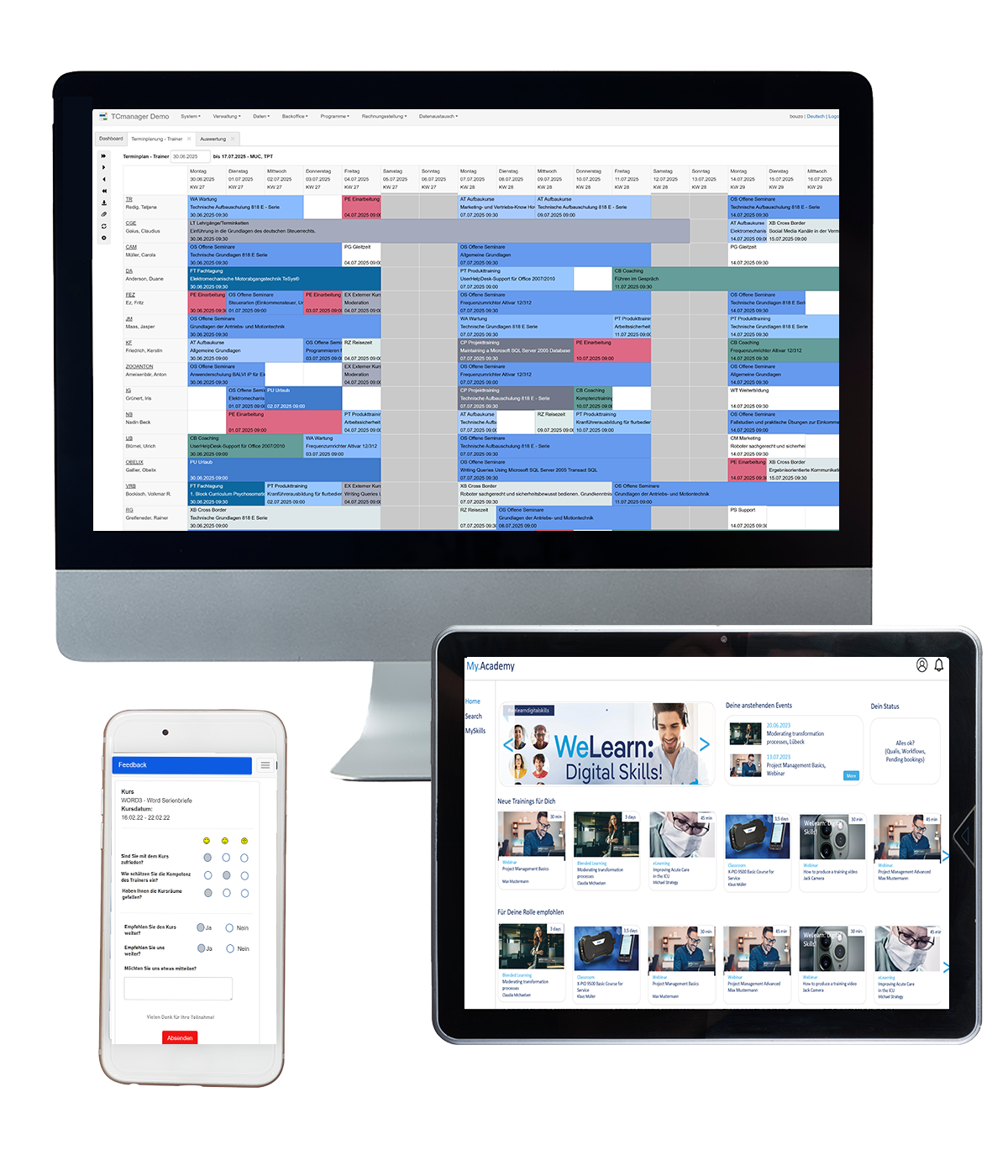
Product training sessions involve a significant organizational effort in many companies. Schedules must be planned, participants invited, training materials provided, and attendance or learning outcomes documented. When dealing with a large number of products, locations, or external partners, this organizational process quickly becomes cumbersome when relying on spreadsheets, email distribution lists, and manual lists. A digital learning platform provides a centralized foundation for product training.
Centralized Management of Training and Certifications
Participation records, test results, certificates, and qualifications can be documented centrally. This gives training managers a better overview of the current level of qualification—especially when different product lines require different training courses.
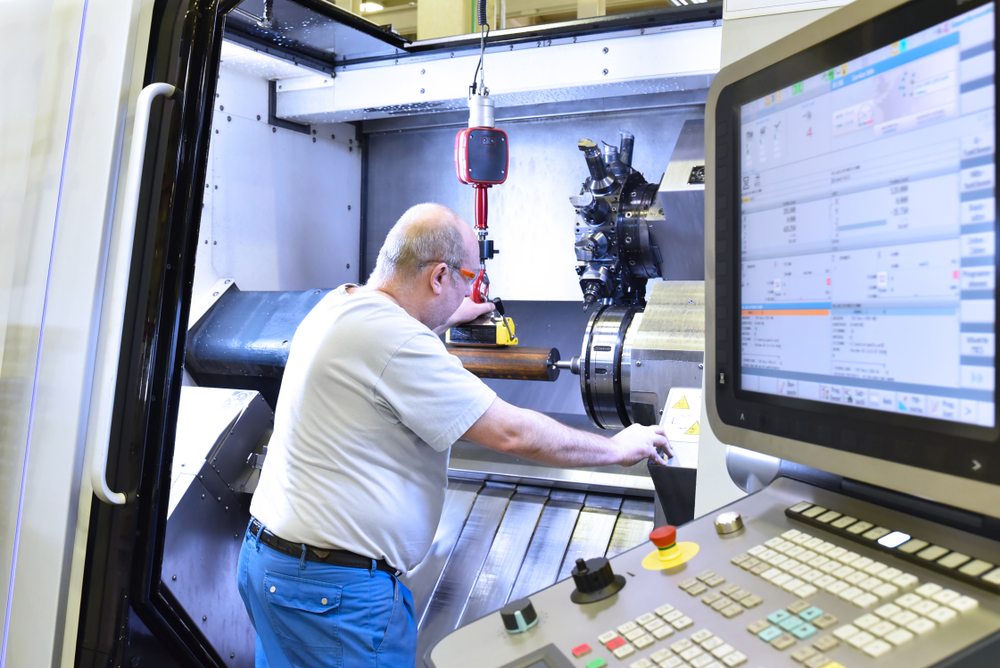
Example: A mechanical engineering company is introducing a new generation of CNC machines. Service technicians must first complete basic training, followed by advanced training for specific maintenance tasks. A qualification matrix can show which qualifications are required for which product line or task. The LMS then helps assign the appropriate training courses and document the qualification level achieved.

Seminar Management
Less manual administrative work
A digital seminar management system can automate many recurring processes: registration and booking, participant management, scheduling and resource planning, invitations and reminders, waiting lists, attendance confirmations and certificates, tracking of training deadlines, as well as analyses and reports. This shifts the focus from manual administration to the actual development of the training program.
Different Training Requirements
Structuring Product Training for New Product Lines
A particular challenge arises when introducing new product lines. Not every employee and not every partner needs the same content. A sales representative may need an overview of features, benefits, and use cases. A service technician, on the other hand, needs detailed knowledge of installation, maintenance, and troubleshooting. With an LMS, such differences can be addressed through target groups, learning paths, and qualification requirements.
A possible learning path for a new product line:
1. Product Fundamentals – Functions, Applications, and Product Variants
2. Technical Training – Design and Technical Features
3. Application Training – Typical Use Cases
4. Hands-On Training – Installation, Operation, or Maintenance
5. Knowledge Assessment – Test or Learning Progress Evaluation
6. Certification – Documented Completion
7. Recertification – Refresher Training After a Defined Period
This turns individual training sessions into a clear qualification process.
Skill Mapping & Qualification Matrix
Skills Matrix: Which employee needs which product training?
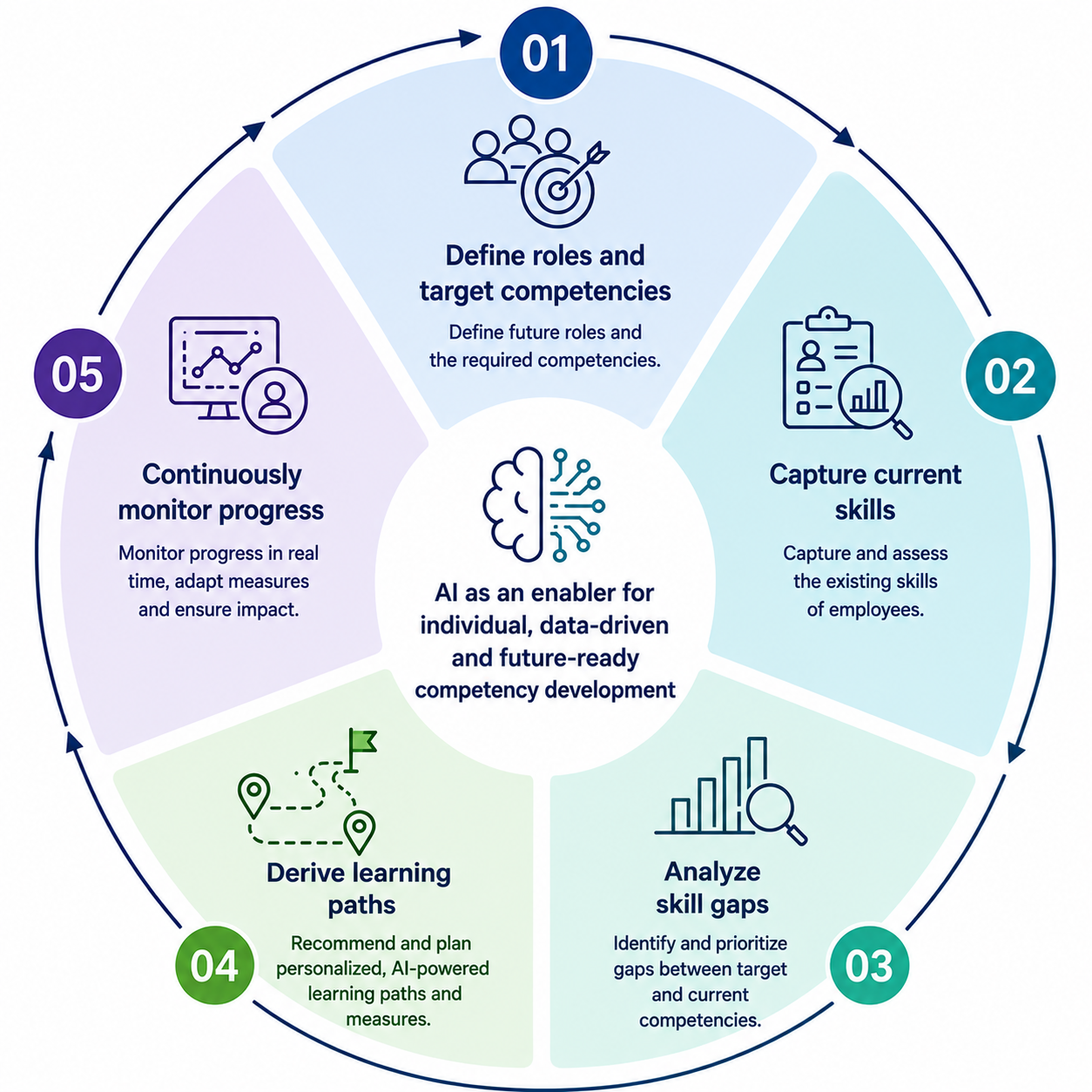
The larger the product portfolio, the more difficult it becomes to manage qualifications manually. A qualification matrix maps employees, roles, and required product training and serves as the basis for training planning. An LMS can use this information to identify training needs, assign learning opportunities, and document completed qualifications.
This is particularly relevant when multiple product lines exist simultaneously, certifications are time-limited, different target groups require different training, external partners are involved, or new products are introduced on a regular basis.
For example, a competency matrix compares:
KPIs and Key Metrics
Making Product Training Measurable
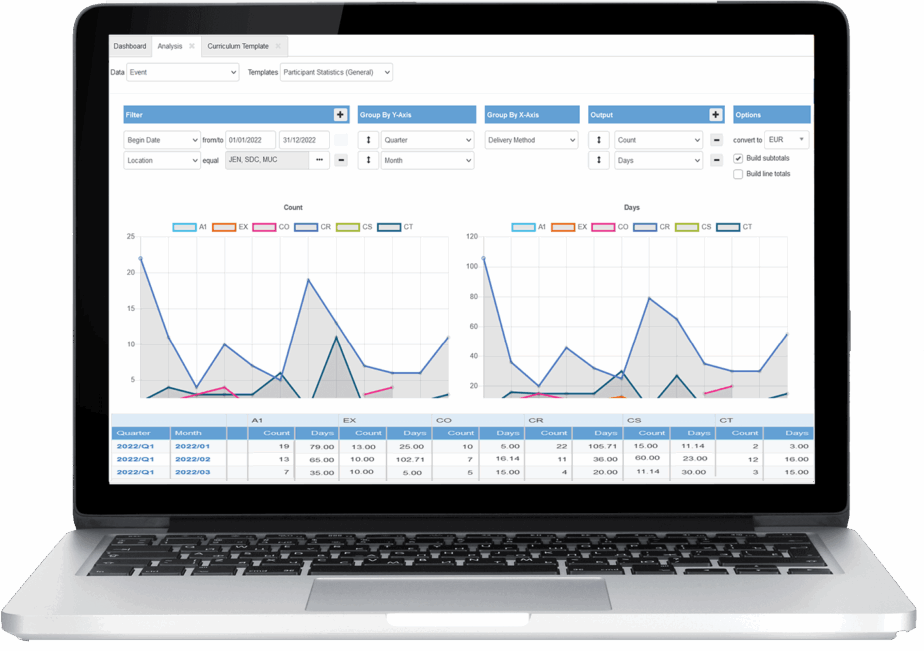
An LMS doesn't just provide information about completed training courses. The training data collected can also be used to further develop product training.
Some interesting key figures are:
• Participation rate
• E-learning completion rate
• Test Results
•Unmet training needs
•Number of valid certifications
• Overdue recertifications
• Training costs per product line
• Trends in skill levels
Dashboards help identify gaps in continuing education more quickly.
For example, a training manager might find that a high percentage of service technicians are already qualified for Product Line A, while there is still a significant need for training regarding the newly introduced Product Line B.
Product Training for Dealers, Distributors, and Service Partners
Product training often extends beyond the company’s boundaries. Manufacturers rely on retailers, distributors, and service partners to have up-to-date product knowledge. A learning portal can provide a dedicated platform for this—featuring product-specific e-learning courses, technical training, webinar schedules, exams and certifications, certificates of completion, and information on new product versions as well as individual qualification status.
This enables manufacturers to centrally provide training programs to a large partner network while managing different content and access permissions.
Learn more about Extended Enterprise Learning →
Certifications and Recertifications in Product Training
For certain jobs, attending a product training session just once is not enough. Certifications may be valid for a limited time or may need to be renewed following a product change. A digital training management system can therefore not only document the completion of a training course but also take its validity period into account.
Automated reminders can, for example, alert users that a certification is about to expire, that mandatory training has not yet been completed, that a product update requires new training, or that recertification is due. The specific documentation and deadlines required depend on the product, job role, company, and the applicable regulatory or contractual requirements. An LMS supports structured documentation but does not replace an individual legal or regulatory assessment.
Discover Automated Learning Paths →
Step-by-Step Instructions
Successfully Digitizing Product Training: Five Practical Steps
Checklist
What should companies look for in an LMS for product training?
The requirements for a learning platform vary depending on the organization. A company with few internal training programs needs different features than an international manufacturer with hundreds of product variants and a global partner network.
The following questions, among others, are relevant when evaluating an LMS:
☐
Can in-person training and e-learning be managed together?
☐
Can learning paths and qualification requirements be mapped out?
☐
Can product lines and target audiences be distinguished from one another?
☐
Can external participants and partners be managed?
☐
Does the system support certifications and recertifications?
☐
What options are available for interfaces and system integration?
☐
How well can the platform scale as the number of users increases?
☐
What role and permission models are in place?
☐
What reporting and dashboard features are available?
☐
How are data protection and information security taken into account?
You can find a detailed, cross-industry checklist for selecting an LMS in our free tools section. Among other things, UX, integration, compliance, scalability, and costs are considered there.:
References
What Our Customers Say
TCmanager LMS offers everything you would expect from a software tool for training centers. Today, our extensive training offerings for our service and sales partners and customers are optimally supported worldwide by training portals tailored to specific target groups and countries. The management of schedules, bookings, and resources is logically structured and intuitive to use. Reports can be generated quickly and clearly at any time. SoftDeCC is our reliable partner, with whom we will continue to deliver our in-person training and e-learning offerings in the future.

YASKAWA has been a customer and user of TCmanager® since 2015. After an extensive search for a management tool for our training and continuing education division, we are now glad—following its implementation—that we chose SoftDeCC. It quickly becomes clear that this software was specifically designed for training and qualification management. We’re discovering far more capabilities than we initially required or expected. We’re confident that TCmanager® will help us position our training programs well for the future and improve our efficiency and quality.

SoftDeCC did an excellent job of bringing to life the high standards we set for functionality on the one hand and user-friendliness on the other through customized solutions. The expert advice and support, as well as the constructive and solution-oriented discussions, were particularly helpful in this regard. The collaboration has been excellent, thanks to the very pleasant working relationship and high level of reliability.

For more than 30 years, training and education for Schneider Electric’s customers and partners have been closely linked to quality and reliability. In 2019, we chose SoftDeCC’s TCmanager® LMS (Learning Management System). The support we received from SoftDeCC during the implementation phase was extremely helpful. Since then, the learning system’s feature set has been continuously expanded, offering more options to meet our growing needs. The SoftDeCC team is very familiar with our application and has been a great help!

Hella Academy provides technical training to repair shops and retail partners on our products, as well as on specialized topics such as “Hybrid & High-Voltage” and driver assistance systems. We have been a satisfied customer and user of theTCmanager® LMS since 2015. We are particularly impressed by the support time and again. Any customizations or new features we request for the application’s functionality are implemented smoothly and help us better serve our customers.

No-obligation consultation appointment
Product Training with SoftDeCC LMS
In just 30 minutes, we'll show you how SoftDeCC efficiently and automatically coordinates your product training sessions. Schedule a free demo and consultation now.
✓
Over 25 Years of Expertise
✓
Made in Germany
Frequently Asked Questions About Choosing an LMS