

Made in Germany · ISO 27001 · GDPR-compliant
Upskilling & Reskilling with AI Support
AI-Driven Upskilling: From Reactive to Proactive
Upskilling doesn’t have to wait until skill gaps become a problem. AI-powered analytics identify skill gaps early on, prioritize critical competencies, and recommend appropriate learning paths—based on role profiles, qualifications, and learning behavior. This makes competency development proactively manageable and allows it to be specifically aligned with the demands of tomorrow.
A powerful LMS lays the foundation for this: with skill mapping, role-based learning paths, transparent reporting, and integration with core HR and talent processes.
AI-based
Skill Gap Analysis
Predictive Analytics

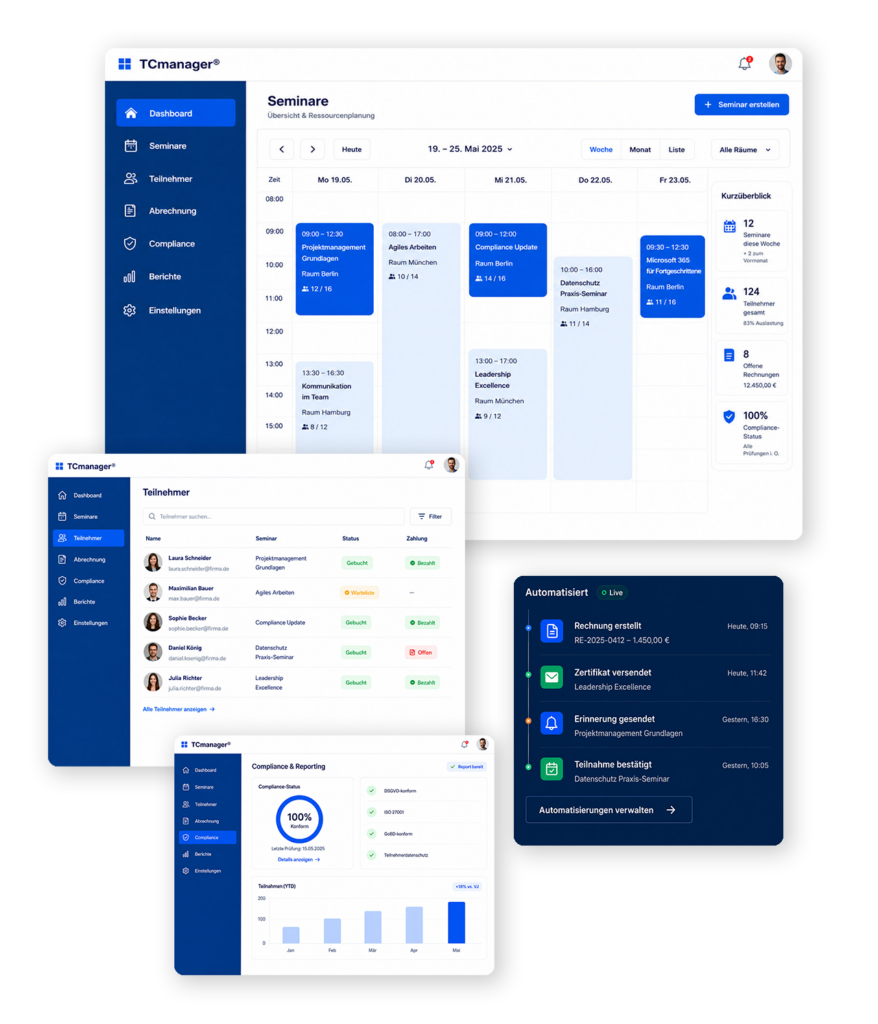
Audit-compliant training records
Upskilling and reskilling are now business-critical
Skills shortages, AI-powered processes, and new business models are changing skill requirements in nearly all areas of a company. At the same time, it is becoming more difficult to fill skill gaps by recruiting externally.
For L&D teams, this means: providing targeted professional development for existing employees, promoting internal mobility, identifying skill gaps early on, managing learning initiatives in a measurable way, thoroughly documenting proof of compliance, and aligning competency development with corporate goals.
Upskilling strengthens existing skills. Reskilling prepares employees for new roles and areas of responsibility. Both approaches require structured learning and skill-building processes that can be scaled across the entire organization.
Problems and Challenges
Why Many Skills Development Initiatives Fail
Skilling rarely fails due to a lack of motivation, but rather due to a lack of transparency and processes.
Use of Artificial Intelligence
AI-Powered Upskilling: From Reactive to Proactive
Traditional upskilling addresses skill gaps that are already apparent. AI-powered methods take this approach a step further: They identify skill gaps before they become bottlenecks and automatically suggest appropriate learning paths—based on role profiles, qualification history, and actual learning behavior.
What AI actually does in terms of upskilling:
✓
Automated skill gap analysis: continuous comparison of current skills against evolving role requirements, rather than occasional manual assessments.
✓
Prioritized Learning Recommendations: AI suggests which skill gaps need to be addressed most urgently for each role—not every gap has the same business relevance.
✓
Proactive Skills Planning: Patterns in skills data indicate which skills may become scarce company-wide in the coming quarters.
✓
Real-time, personalized learning paths: Recommendations continuously adapt to progress and changes in role profiles, rather than remaining rigidly fixed.
AI-Based Up- and Reskilling Features
What an LMS Must Do for Upskilling and Reskilling
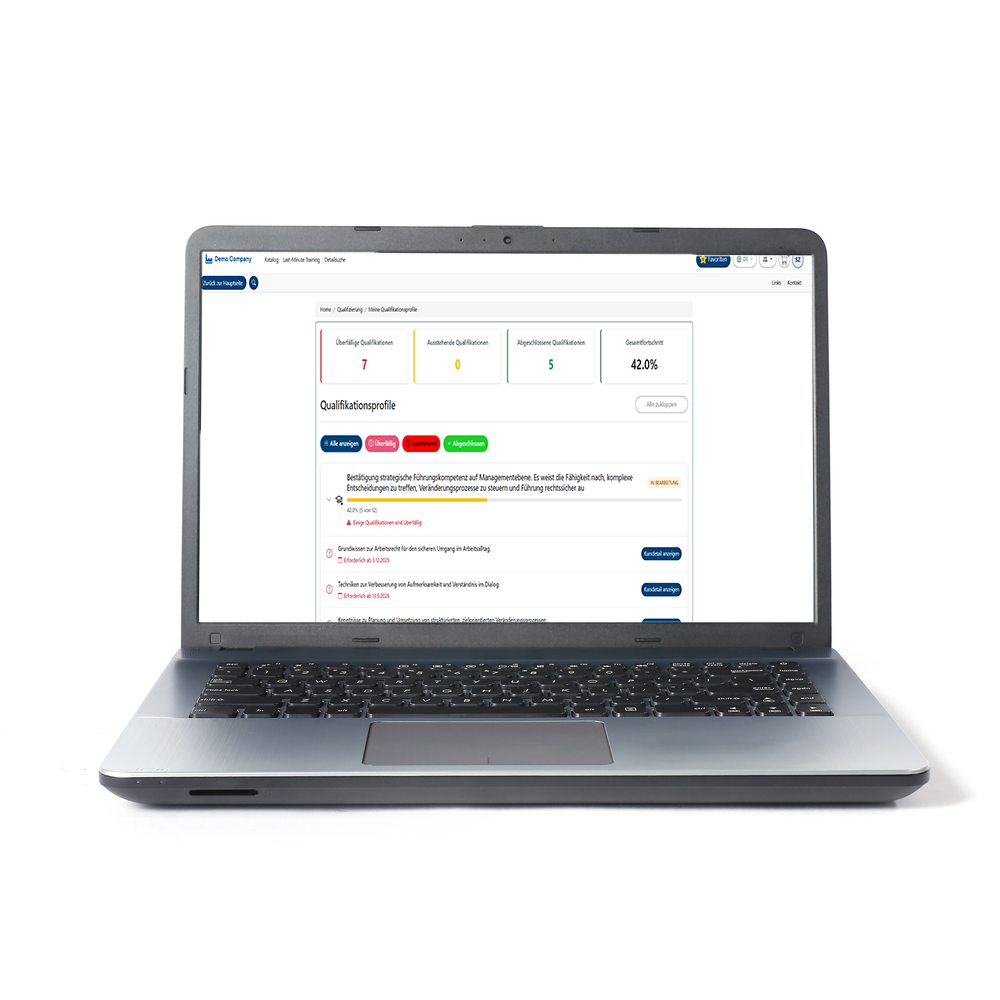
The key question today is no longer “Which courses have been completed?” but rather “What skills is the organization actually developing?”
Use Cases
Use Cases for Upskilling and Reskilling
• Reskilling during role transitions: building new professional skills in a structured way.
• Upskilling in Production and Service: Continuous Adaptation to New Technologies and Processes.
• International Learning Initiatives: Uniform Qualification Standards Across National Borders.
• Talent Development and Internal Mobility: Career Paths Based on Actual Competency Data Rather Than Gut Feelings.
• Onboarding new role profiles: Learning paths directly linked to the respective target profile.
• Compliance certifications and mandatory training: automated deadline tracking as part of the learner journey.
Get More Information for Free Now
Ready for professional upskilling and reskilling?
SoftDeCC combines learning management with skills and qualifications management in a single system—developed since 1998 for companies that want to make competency development transparent and manageable.
✓
Over 25 Years of Expertise
✓
Made in Germany
Frequently Asked Questions